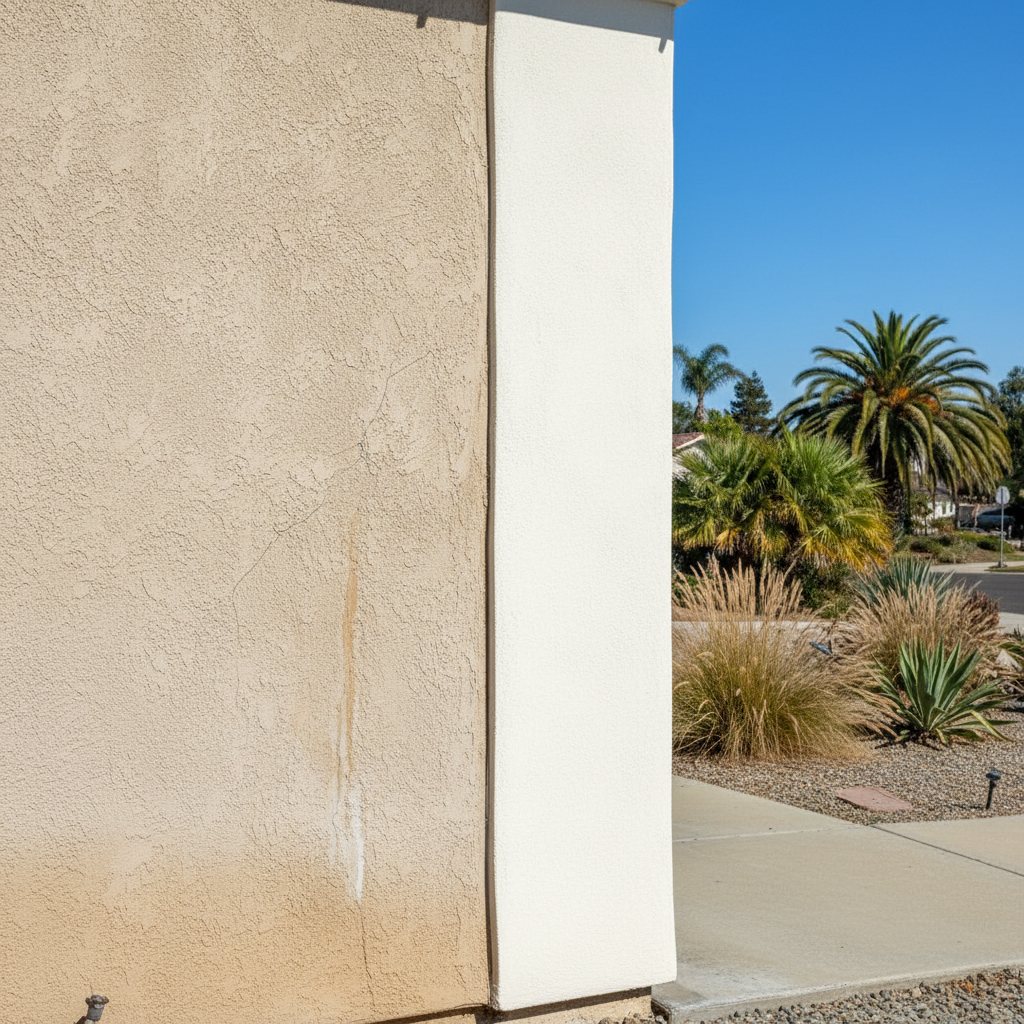
So, you're looking into EIFS for your home here in Huntington Beach. Smart move, it's a great system when it's done right. But here's the thing: not all EIFS is created equal, especially when it comes to how it handles water. You've essentially got two main types of installation systems to consider: barrier EIFS and drained EIFS. And trust me, knowing the difference could save you a whole lot of headache and money down the road.
Barrier EIFS: The Original Approach
Barrier EIFS, sometimes called traditional EIFS, was one of the first systems out there. The idea is simple: it's a multi-layered exterior finish that's designed to be a complete barrier against water intrusion. Think of it like a raincoat for your house. The layers — adhesive, insulation board, base coat with mesh, and then the finish coat — are all meant to be watertight. The goal is to stop water from getting in at all.
On the surface, that sounds pretty good, right? No water getting in means no problems. And for a while, it worked okay in certain climates. But here in a place like Huntington Beach, with our coastal humidity, occasional heavy rains, and the way homes settle over time, barrier EIFS has a significant Achilles' heel.
- Cost: Generally, barrier EIFS is a bit cheaper to install upfront compared to a drained system. Less material, fewer steps.
- Durability: The system itself is durable against impacts, but its durability against water intrusion long-term is where it falls short.
- Maintenance: You've got to be super diligent about sealing any cracks or penetrations immediately. Even a tiny pinhole can let water in, and once it's behind that barrier, it's trapped.
- Appearance: Looks great initially, just like any EIFS system. Smooth, modern, and you get a ton of finish options.
The big problem with barrier EIFS? If water does find a way in – and eventually, it almost always does through tiny cracks, around windows, or where different materials meet – it gets trapped behind the system. There's no way for it to escape or dry out. This can lead to serious moisture damage, rot in your sheathing, and even mold growth, often without you knowing until it's a major, expensive problem. I've seen it happen too many times on homes down near the Bolsa Chica wetlands, where moisture is just a constant battle.
Drained EIFS: The Smarter Solution
This is where drained EIFS, also known as EIFS with Drainage or a moisture-managed EIFS, comes into play. It's basically an evolution of the barrier system, designed to address those critical moisture issues. The core idea here is that water will get in sometimes, and when it does, you need a way for it to get out.
Drained EIFS adds a crucial component: a drainage plane and weep holes. After the insulation board is attached, there's a space or channel created behind it – often with a grooved insulation board or a drainage mat – that allows any water that gets past the outer layers to drain down and out through weep holes at the bottom of the wall. It's like giving your house a built-in escape route for water.
- Cost: Expect to pay a bit more upfront for a drained system. There's more material, more labor, and a more complex installation process.
- Durability: Far superior in the long run, especially in our climate. It's designed to manage moisture, which is key to preventing structural damage.
- Maintenance: Still requires regular checks for cracks and seal integrity, but the system is much more forgiving if a little water gets past the outer layer.
- Appearance: Looks identical to barrier EIFS from the outside. You get the same aesthetic benefits.
For homes in Huntington Beach, especially with our occasional marine layer and the need for robust building envelopes, a drained EIFS system is hands down the better choice. It's built with the understanding that no exterior wall system is 100% perfect at keeping water out forever. It provides that essential safeguard, preventing minor leaks from turning into major structural nightmares.
My Recommendation for Your HB Home
If you're investing in EIFS for your property, whether it's a new build or a renovation, I always recommend going with a drained EIFS system. Yes, it costs a little more upfront. But that extra investment is cheap insurance against potential water damage that could cost you tens of thousands to repair down the line. We've seen the aftermath of failed barrier systems, and it's not pretty.
At Precision Stucco Huntington Beach, we're all about doing things right the first time. We understand the specific challenges our local climate presents, and we always steer our clients toward solutions that offer long-term peace of mind. Don't cut corners on something as critical as your home's exterior envelope. Choose the system that's designed to protect your investment for years to come.